

Denken mit Lego (Thinking with Lego 900pcs)
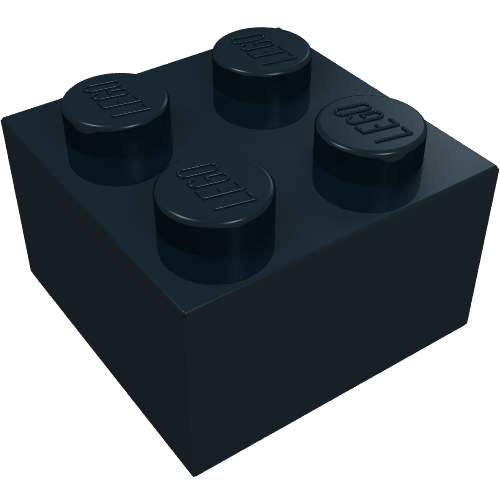
Thinking with Lego (900 pieces), set 1513-1, dates from 1972 and belongs to the Educational and Dacta range. It holds 901 pieces but only two different types.
- Set number
- 1513
- Year
- 1972
- Pieces
- 901
- Minifigures
- 0
- Theme
- Learning
- Different parts
- 6
Parts list 6
-
-
-
-
-
-



No part matches this colour selection.
Import on BrickLink: Wanted → Upload, upload the file (or paste its content), pick a Wanted List and add the parts.
Description
A set made for learning
This pack belongs to the Educational and Dacta range and was meant for use in learning. Instead of one model there is a large quantity of identical bricks that you are supposed to experiment with yourself. The name promises exactly that: thinking with bricks. With 901 pieces you can tackle larger constructions, and there are no minifigures. Looking at it now, it is an early attempt to put building bricks to work as a teaching tool in schools. It shows that bricks were meant to be more than plain toys even then.
Two types, four colours
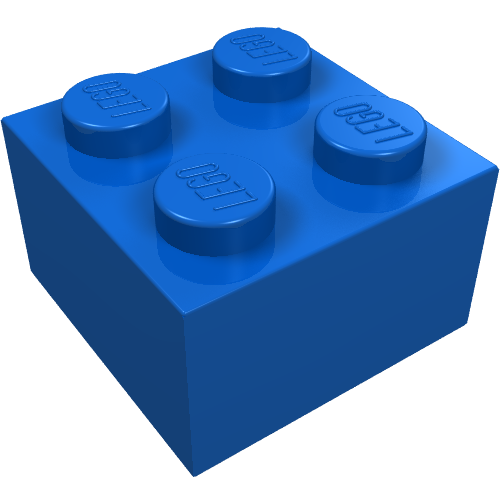
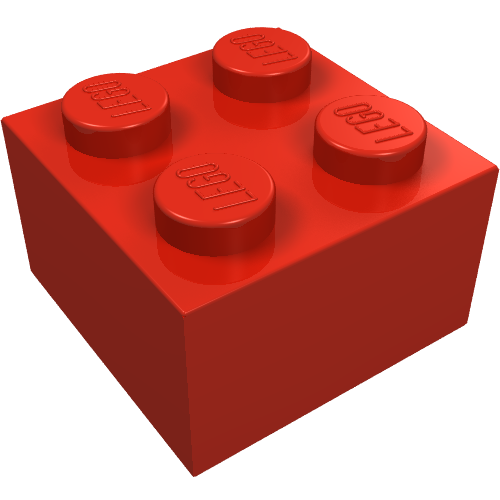
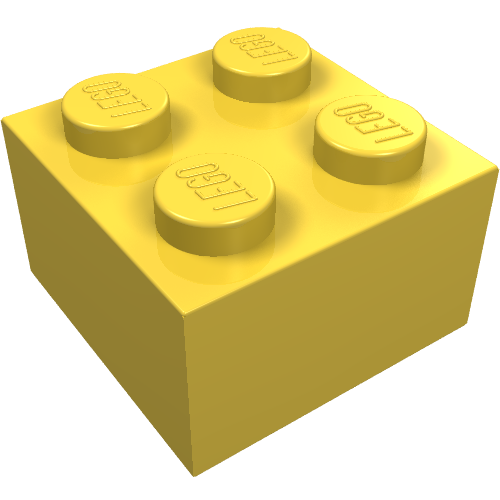
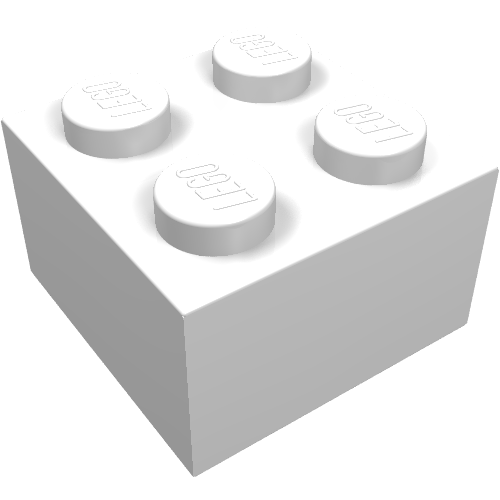
The parts list contains only two different elements, and they differ mainly by colour. Blue, red, yellow and white are the main colours. It is an unusually plain selection that draws attention to numbers, patterns and structure. Building with such bricks, you soon notice rows, surfaces and symmetry. For collectors it is a surprisingly easy set to check as well, since both the quantity and the spread of colours are simple to verify. That also makes it easier to compare different offers for second-hand copies.
Lots of bricks, lots of room
With 901 bricks you can do plenty: walls, towers, patterns or counting exercises. Because only two types are involved, it comes down to order and planning rather than special parts. That is exactly the appeal, since you have to think about structure and stability. The parts list on this page shows the exact split of types and colours and helps you check whether a second-hand copy is complete. With so many identical bricks, a missing handful would otherwise be easy to overlook.
Building something new from identical bricks
Although it is a learning set, the stock is perfectly usable for projects of your own. Large numbers of identical bricks are handy for mosaics, walls or base plates. The “What can I build?” tool shows what you can make together with your other sets. A plain educational pack becomes a useful foundation for many models that look nothing like the original. Mosaics in particular benefit from the four colours being clearly separated and easy to combine cleanly.
FAQ
- How many pieces does Thinking with Lego (900 pieces) have?
- Set 1513-1 contains 901 pieces in just 2 different types. There are no minifigures.
- Who was the set meant for?
- It belongs to the Educational and Dacta range and was released in 1972 as material for experimenting and learning.
- Can I use the bricks for something else?
- Yes. “What can I build?” shows which models you can put together from the bricks you own.
Reviews
No reviews yet. Build the set and tell others how you liked it.
Sign in to review this set. Sign in
Only signed-in users can write reviews, one per set. We check every review against our rules before it is published; we do not check whether the set was bought or built.


