

Parts list 22
-
-

-
-
-
-
-
-
-
-
-
-
-
-
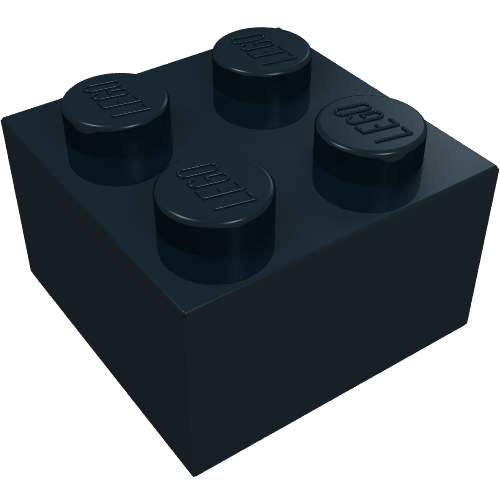
-
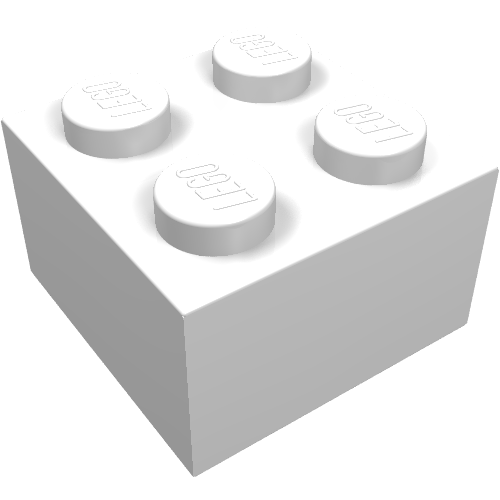
-
-
-
-
-
-
-


No part matches this colour selection.
Import on BrickLink: Wanted → Upload, upload the file (or paste its content), pick a Wanted List and add the parts.
Description
Two numbers, one piano
Anyone collecting the pianos of this period will meet two catalogue numbers: 802-3 and 802A-1. Both show the same subject and carry the same basic facts, namely 90 pieces in 13 types and the colours white, black and red. The number with the letter suggests a variant, although the data available here does not show any difference in contents. That is exactly what makes the set interesting to collectors. It makes a decent starter project.
A model built on contrast
The piano lives on its colours. White and black recall keys and casing, while red gives the model a small but eye-catching accent. This clear division makes it a standout in a collection of 1960s sets, many of which look bright and playful. Here, by contrast, the contrast dominates, and the finished model looks almost like a drawing made of bricks, which is why it photographs so well in a display. It is a good fit for a shelf of black-and-white curiosities.
Building and using it
With 90 pieces the build is over quickly. Afterwards you can set the piano in a living room as decoration or use the bricks for a piece of furniture of your own. Because only 13 part types are included, the supply is easy to survey and sort. That helps if you want a short project for children, or a relaxed small build between larger ones, without wading through long instructions or hunting for pieces.
Checking the parts list
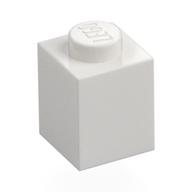
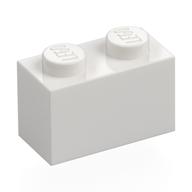
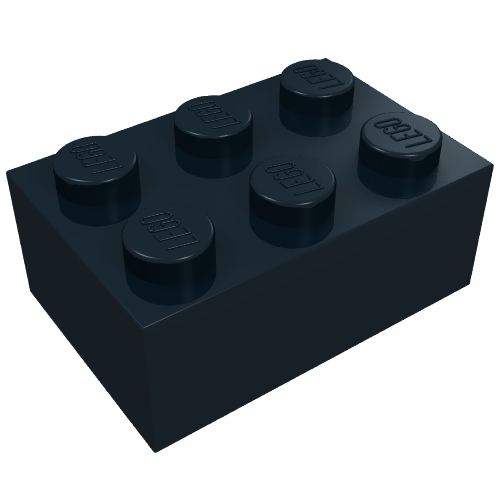
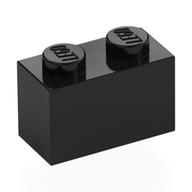
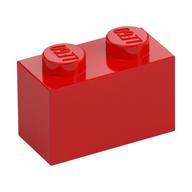
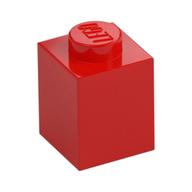
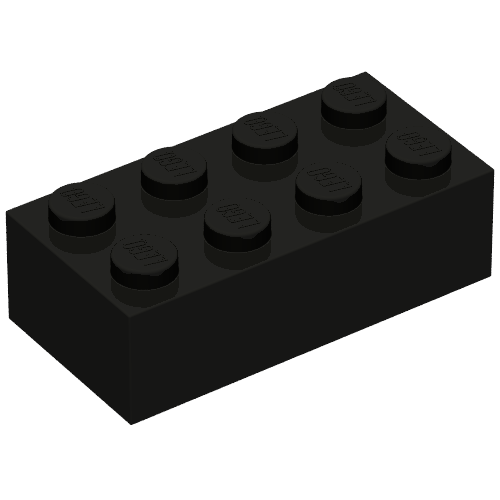
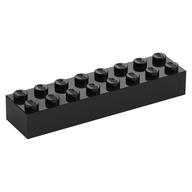
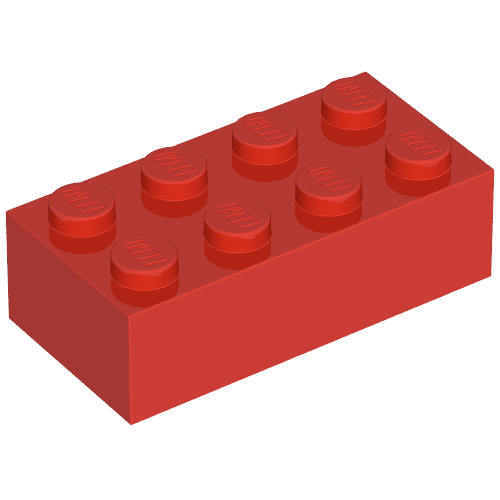
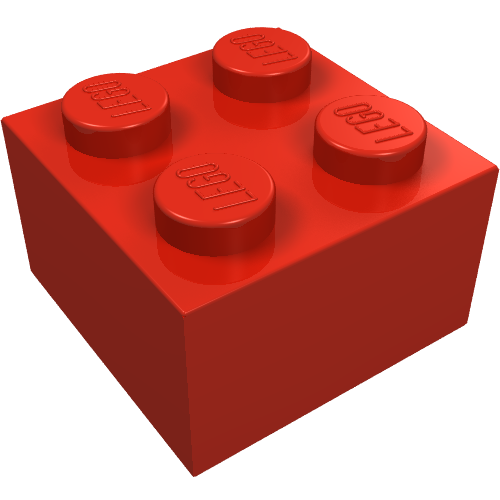
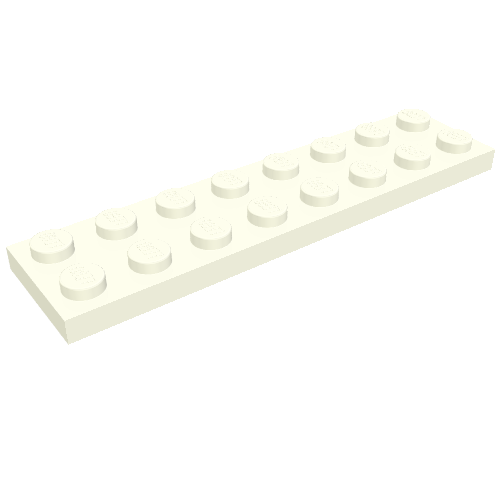
The full parts list with all 13 types appears further down this page. It helps when you compare a second-hand copy or want to replace missing bricks. Take a look at 802-3 as well to see both entries side by side. The “What can I build?” tool also shows which other models become possible with these parts in your own stock, whether you own one copy or several.
FAQ
- How does it differ from 802-3?
- The data here shows no difference: name, year, piece count and colours are the same. The number marks a variant.
- How many pieces does the set contain?
- There are 90 pieces in 13 types. No minifigures are included.
- Where can I see the individual parts?
- In the parts list further down this page, sorted by colour and with quantities.
Reviews
No reviews yet. Build the set and tell others how you liked it.
Sign in to review this set. Sign in
Only signed-in users can write reviews, one per set. We check every review against our rules before it is published; we do not check whether the set was bought or built.


