

LEGO® Bricks
Bricks is a 1988 educational set with 88 pieces in four basic colours. It belongs to the Duplo and Explore range and has no figures.
- Set number
- 9412
- Year
- 1988
- Pieces
- 88
- Minifigures
- 0
- Theme
- Duplo and Explore
- Different parts
- 20
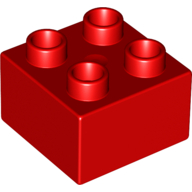
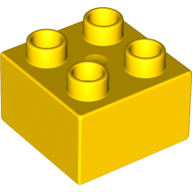
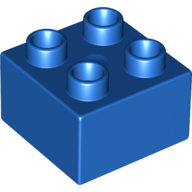
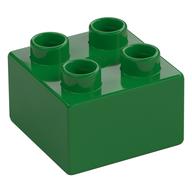
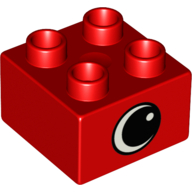
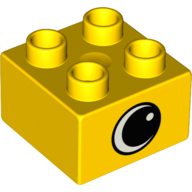
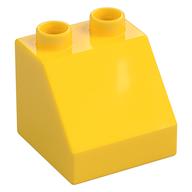
Parts list 20
-
-
-
-
-
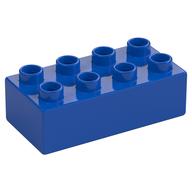
-
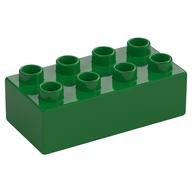
-
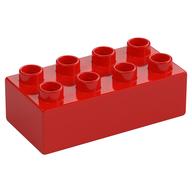
-
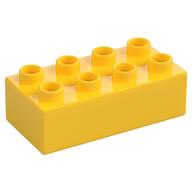
-
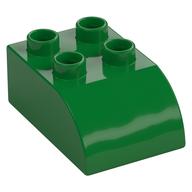
-
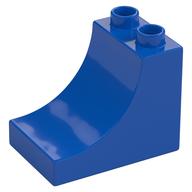
-
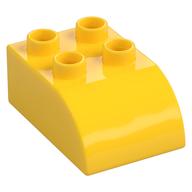
-
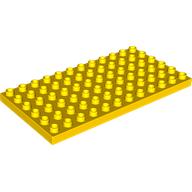
-

-
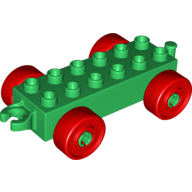
-
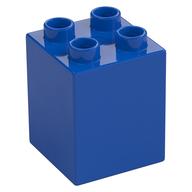
-
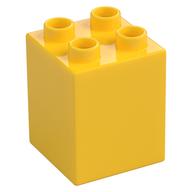
-
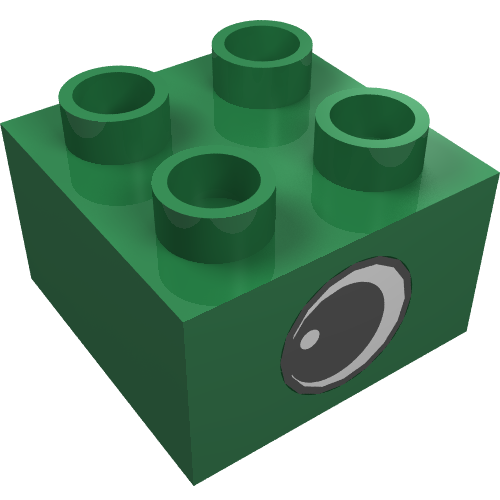
-
-
-


No part matches this colour selection.
Import on BrickLink: Wanted → Upload, upload the file (or paste its content), pick a Wanted List and add the parts.
Description
A basic kit for the classroom
True to its name, this set is about the essentials: bricks. It appeared in 1988 as part of the Duplo and Explore educational range, intended for nurseries and school classes where several children work with the same material at once. The 88 pieces come in yellow, blue, green and red, precisely the colours most people associate with big building bricks. There are no figures in the box, so the whole set is about building itself rather than staging a scene.
Ten part types, not one
With ten different part types the choice is wider than in a pure refill pack. Alongside the simple bricks there are likely to be variants in other lengths and shapes, so children can make bridges, walls and small buildings as well as towers. The precise breakdown is in the parts list on this page, which also shows how many pieces of each colour there are. That is handy when you buy a used set and want to check that nothing is missing.
Reusing the pieces
The bricks still fit together with other Duplo collections, so if you already have a box at home, this set makes a welcome addition. House, vehicle or animal shed: there is no fixed order to follow, only the pieces and the ideas of the children. If you add the set to your collection, What Can I Build calculates which other models your whole stock could make, and tells you what you would still need to complete them.
Condition and context
This set dates from a time when educational packs went out to institutions in large numbers, so used copies turn up regularly. When buying, look out for discolouration, especially on the lighter bricks, and compare the quantities with the parts list. Since every brick is compatible with other Duplo material, even an incomplete pack is not wasted: it still provides colours and shapes for the foundation stock from which children develop their first buildings of their own.
FAQ
- How many pieces are in the set?
- It has 88 pieces in ten different part types. There are no minifigures.
- Who was the set made for?
- It comes from the 1988 educational range and was designed for use in groups and schools.
- Which colours does it contain?
- Mainly yellow, blue, green and red.
Reviews
No reviews yet. Build the set and tell others how you liked it.
Sign in to review this set. Sign in
Only signed-in users can write reviews, one per set. We check every review against our rules before it is published; we do not check whether the set was bought or built.


