
Technic
- Sets
- 69
- Since
- 1983
- Newest set
- 2016
Long before robotics kits became a classroom staple, Technic elements were being packed into sets designed for schools. This theme gathers 69 of them, released between 1983 and 2016.
Sub-themes
Sets per decade
69 sets
2010s
-

-
-

-

-

-

-
-
-
-
-


2000s
-

-
-

-
-
-
-
-
-

-


1990s
-
-
-
-
-
-
-
-

-
-
-
-
-
-
-
-
-
-
-
-

-
-
-

-

-

-

-



About Technic
Built for the classroom
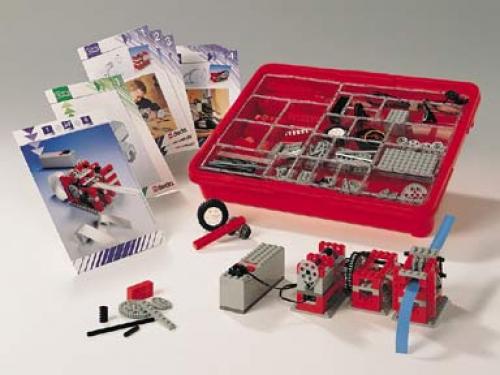
These sets sit within the Educational and Dacta range, the part of the LEGO® line-up aimed at teachers rather than toy shops. Their purpose is practical: pupils build gear trains, levers, pulleys and simple machines, then test how they behave. Most boxes are meant to be taken apart and rebuilt for the next lesson, so they read more like well-stocked parts collections than single models.
Three decades in the catalogue
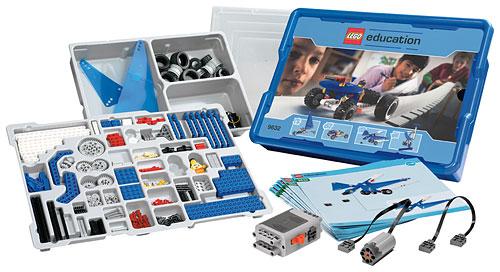
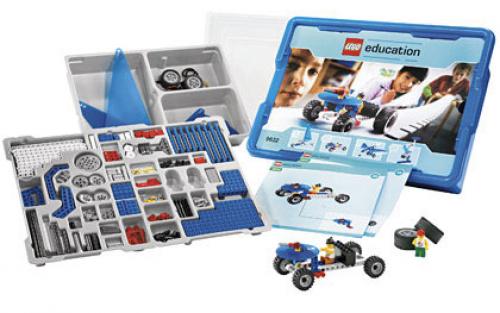
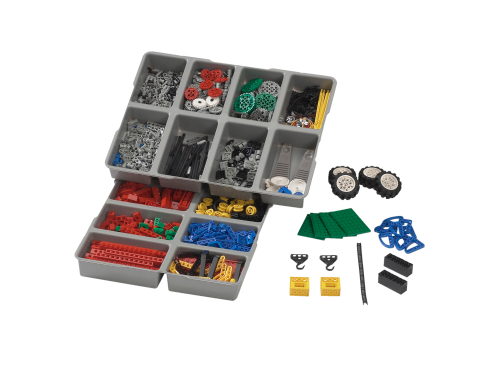
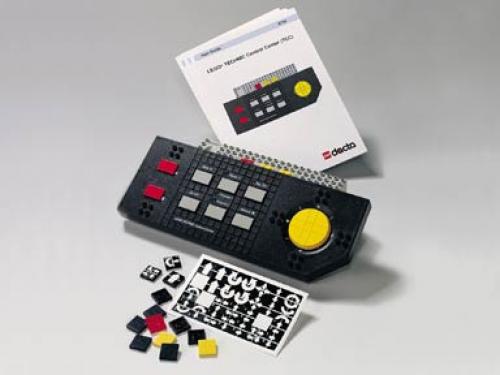
The earliest entries date from 1983 and the most recent from 2016. By the mid-1980s control was already on the syllabus: TECHNIC Control I (1090-1, 397 pieces) and TECHNIC Control II (1092-1, 467 pieces) appeared in 1986, followed by the Technic Control Center (9700-1, 487 pieces) in 1987. The 1990s brought the Structures Set (9618-1, 443 pieces) in 1997, while the 2000s added the Technology Resource Set (9649-1, 1,154 pieces) in 2003 and the Science & Technology Base Set (9632-1, 357 pieces) in 2006.
The heavyweights
Two sets tie for the top spot at 1,534 pieces each: the Teachers Resource Set (1034-1) from 1985 and the 4.5V Technic Resource Set (9605-1) from 1990. As its name suggests, the latter is built around the 4.5-volt electric system of the period. Both are clearly ahead of everything else in this theme.
Control Lab, eLAB and reusing the parts
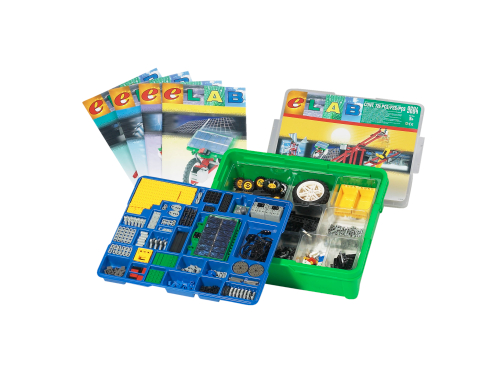
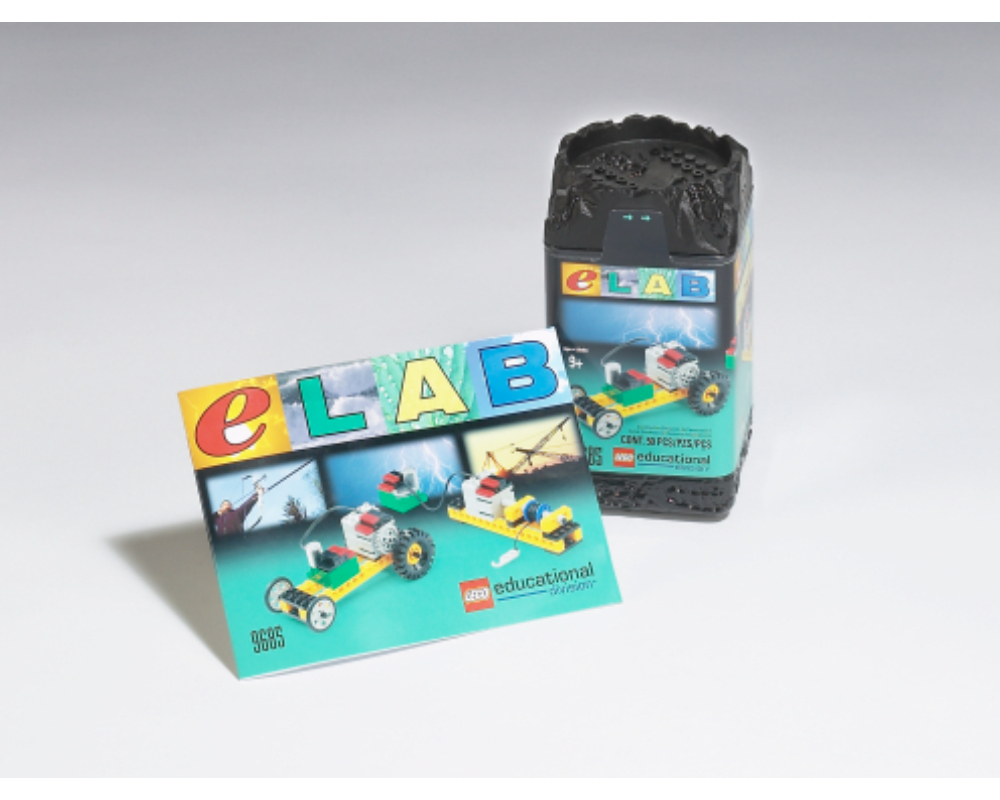
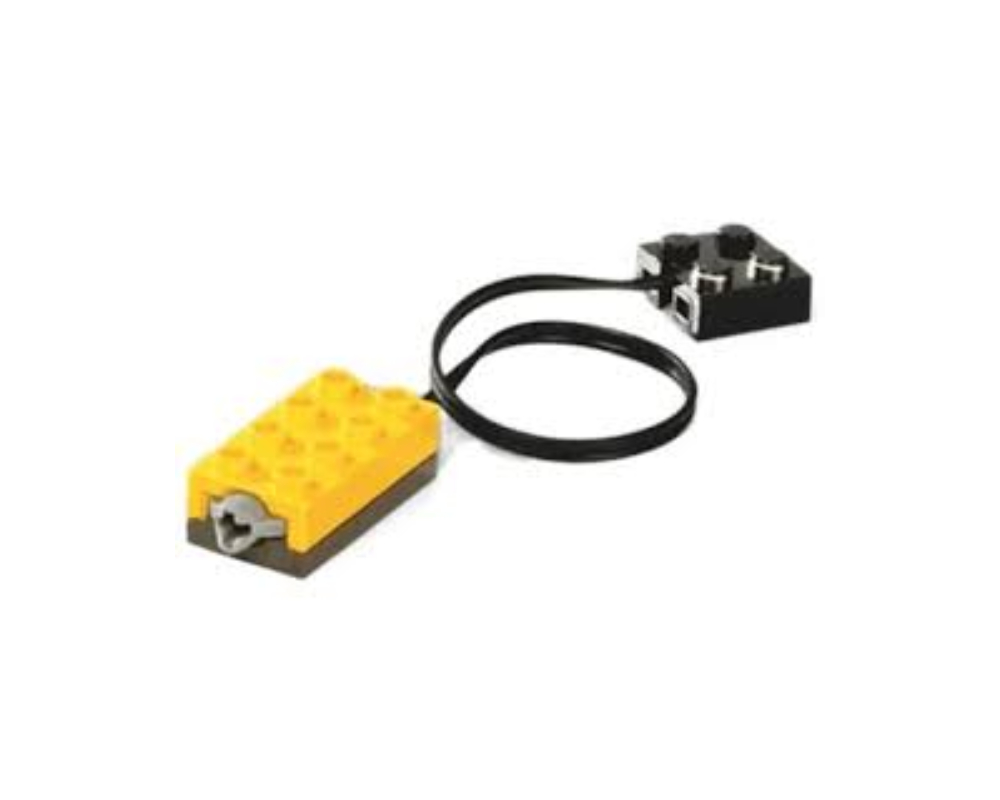
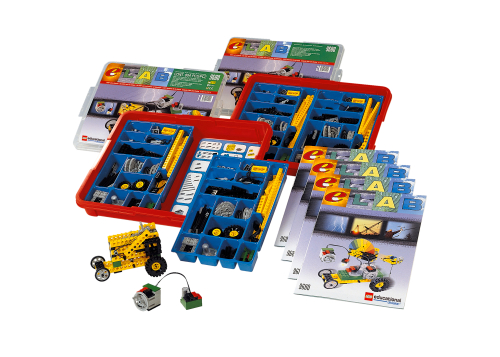
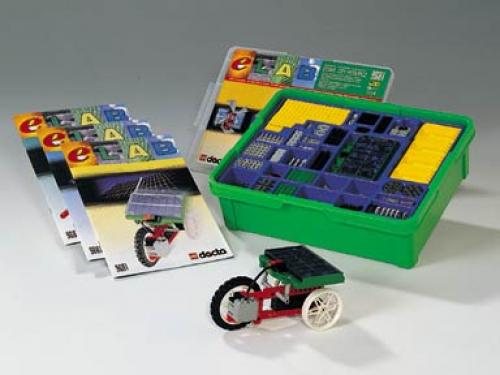
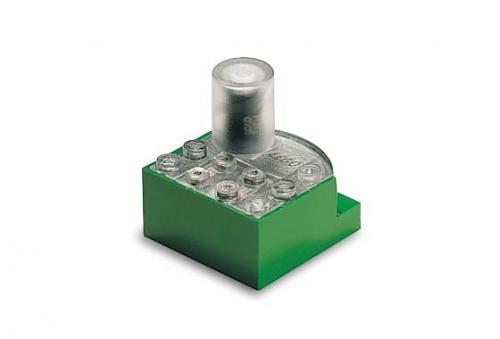
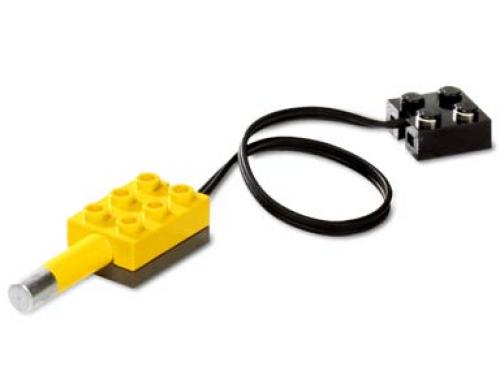
Two sub-themes have their own pages. Control Lab (1995–2002) combines an interface, software and sensors for light, temperature, touch and angle, while eLAB (1999–2003) explores energy, including renewable sources. If you own any of these kits, the parts lists on Bricoria show every element they contain, and ‘What can I build?’ checks which other sets you could assemble from them.
FAQ
- Who were these sets made for?
- Schools, clubs and other teaching settings. They focus on mechanics, structures and control rather than on a single display model.
- What years does this theme cover?
- The 69 sets span 1983 to 2016, with the TECHNIC Control kits of 1986 among the early highlights.
- Do educational Technic parts work with regular Technic sets?
- Yes, they use the same system of beams, axles, pins and gears. The parts lists show exactly which elements each set contains.