

FLL Trophy Small
FLL Trophy Small 2000421 is not a regular retail set but a trophy build for the FIRST LEGO League, an international robotics competition for children and teenagers. Its 233 pieces form a small, standalone trophy with no minifigures, clearly distinct from an ordinary LEGO® set. This page sets out the full parts list and the main colours used.
- Set number
- 2000421
- Year
- 2013
- Pieces
- 233
- Minifigures
- 0
- Theme
- FIRST LEGO League
- Different parts
- 23
Parts list 23
-
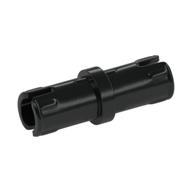 Technic Pin with Friction Ridges Lengthwise and Center Slots
No longer produced · last seen 2021
× 56
Technic Pin with Friction Ridges Lengthwise and Center Slots
No longer produced · last seen 2021
× 56
-
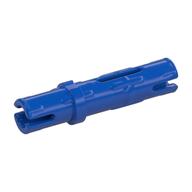 Technic Pin Long with Friction Ridges Lengthwise, 2 Center Slots
No longer produced · last seen 2021
× 22
Technic Pin Long with Friction Ridges Lengthwise, 2 Center Slots
No longer produced · last seen 2021
× 22
-
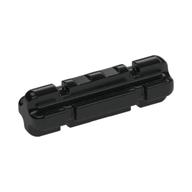 Technic Axle 2 Notched
× 20
Technic Axle 2 Notched
× 20
-
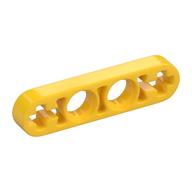 Technic Beam 1 × 4 Thin
× 16
Technic Beam 1 × 4 Thin
× 16
-
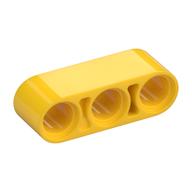 Technic Beam 1 × 3 Thick
× 12
Technic Beam 1 × 3 Thick
× 12
-
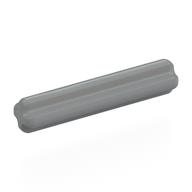 Technic Axle 3
× 8
Technic Axle 3
× 8
-
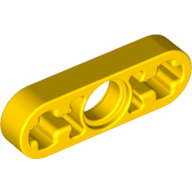 Technic Beam 1 × 3 Thin
× 8
Technic Beam 1 × 3 Thin
× 8
-
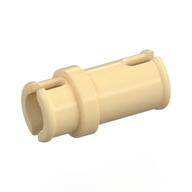 Technic Pin 3/4
× 8
Technic Pin 3/4
× 8
-
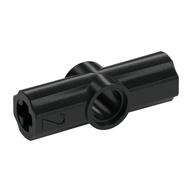 Technic Axle and Pin Connector Angled #2 - 180°
× 8
Technic Axle and Pin Connector Angled #2 - 180°
× 8
-
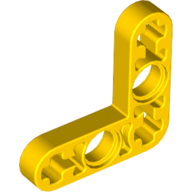 Technic Beam 3 × 3 L-Shape Thin
× 8
Technic Beam 3 × 3 L-Shape Thin
× 8
-
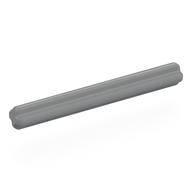 Technic Axle 5
× 8
Technic Axle 5
× 8
-
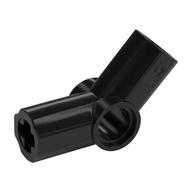 Technic Axle and Pin Connector Angled #4 - 135°
× 8
Technic Axle and Pin Connector Angled #4 - 135°
× 8
-
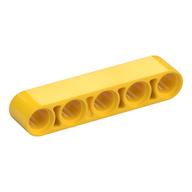 Technic Beam 1 × 5 Thick
× 8
Technic Beam 1 × 5 Thick
× 8
-
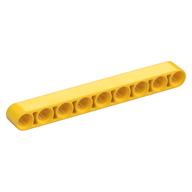 Technic Beam 1 × 9 Thick
× 8
Technic Beam 1 × 9 Thick
× 8
-
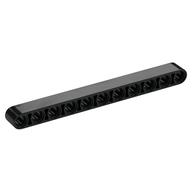 Technic Beam 1 × 11 Thick
× 7
Technic Beam 1 × 11 Thick
× 7
-
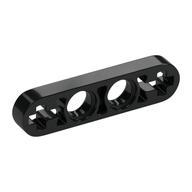 Technic Beam 1 × 4 Thin
× 6
Technic Beam 1 × 4 Thin
× 6
-
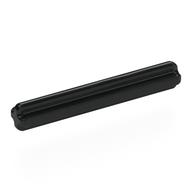 Technic Axle 4
× 4
Technic Axle 4
× 4
-
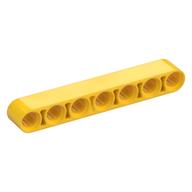 Technic Beam 1 × 7 Thick
× 4
Technic Beam 1 × 7 Thick
× 4
-
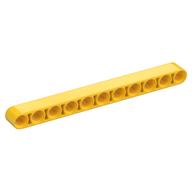 Technic Beam 1 × 11 Thick
× 4
Technic Beam 1 × 11 Thick
× 4
-
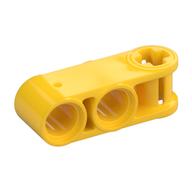 Technic Axle and Pin Connector Perpendicular 3L with 2 Pin Holes
× 4
Technic Axle and Pin Connector Perpendicular 3L with 2 Pin Holes
× 4
-
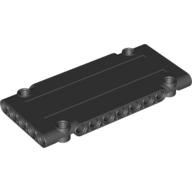 Technic Panel 5 × 11 × 1
× 3
Technic Panel 5 × 11 × 1
× 3
-
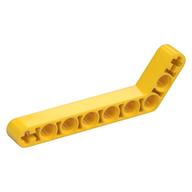 Technic Beam 1 × 9 Bent (7 - 3) Thick
× 2
Technic Beam 1 × 9 Bent (7 - 3) Thick
× 2
-
![Sticker Sheet for Set 2000421-1, 2000422-1, 2000423-1 [No Color/Any Color]](/media/parts/15607/9999/sticker-sheet-for-set-2000421-1-2000422-1-2000423-1-no-colorany-color.jpg) Sticker Sheet for Set 2000421-1, 2000422-1, 2000423-1
No longer produced · last seen 2013
× 1
Sticker Sheet for Set 2000421-1, 2000422-1, 2000423-1
No longer produced · last seen 2013
× 1
No part matches this colour selection.
Import on BrickLink: Wanted → Upload, upload the file (or paste its content), pick a Wanted List and add the parts.
Spare parts (2)
These extra parts come with the set in case one gets lost.
Description
A trophy rather than a play model
Unlike regular LEGO® sets, 2000421 is designed as an award for participants in the FIRST LEGO League, a competition where teams design and program their own robots before competing against each other. At 233 pieces the trophy stays compact, built clearly around a standing trophy shape rather than a vehicle or building, unlike a typical themed set. Competition sets like this one are not sold in shops but distributed through the league's organisers, usually at regional or national events.
The design of a trophy build
With 23 distinct parts, the set is noticeably simpler than a typical themed set, which fits its role as a standardised award: the shape needs to stay consistent and easy to rebuild for every trophy handed out, even by younger team members with little building experience. That reduction to a small number of part types also makes it a useful example of simple, stable construction, especially next to far more complex themed sets running into the hundreds of pieces.
The trophy's colours
Black, yellow, blue and light bluish grey define the build, giving it a clean, technical look that suits the competition's robotics theme and sets it apart from an ordinary trophy. With only 23 distinct parts, the colour scheme is concentrated in a few clearly defined areas rather than spread across many small details. The exact breakdown is set out in the parts list on this page, simple enough to take in at a glance.
For FLL teams and collectors
For FIRST LEGO League participants, the set is a keepsake from their competition season and the work put into their own robot, while for collectors of rare sets it is an unusual piece outside the regular retail range, rarely seen beyond the league itself. The 23 distinct parts also work well as a simple building exercise for younger fans taking their first steps with stable, free-standing constructions before moving on to larger, more complex themed sets with many additional details.
FAQ
- How many pieces does FLL Trophy Small 2000421 have?
- The set contains 233 pieces across 23 distinct part types.
- Can this set be bought in shops?
- No, it is an award set for the FIRST LEGO League, distributed through the competition's organisers rather than sold at retail.
- What is the FIRST LEGO League?
- An international robotics competition for children and teenagers, in which teams design and program their own robots.


