

FLL Trophy Large
Set 2000423, FLL Trophy Large, is a 2013 build for the FIRST LEGO League, the international robotics competition for young people. It uses 438 pieces but only 24 unique elements, and contains no minifigures. Black, yellow, blue and light bluish grey echo the competition's visual identity.
- Set number
- 2000423
- Year
- 2013
- Pieces
- 438
- Minifigures
- 0
- Theme
- FIRST LEGO League
- Different parts
- 24
Parts list 24
-
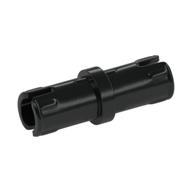 Technic Pin with Friction Ridges Lengthwise and Center Slots
No longer produced · last seen 2021
× 138
Technic Pin with Friction Ridges Lengthwise and Center Slots
No longer produced · last seen 2021
× 138
-
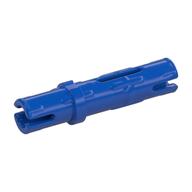 Technic Pin Long with Friction Ridges Lengthwise, 2 Center Slots
No longer produced · last seen 2021
× 86
Technic Pin Long with Friction Ridges Lengthwise, 2 Center Slots
No longer produced · last seen 2021
× 86
-
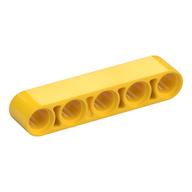 Technic Beam 1 × 5 Thick
× 34
Technic Beam 1 × 5 Thick
× 34
-
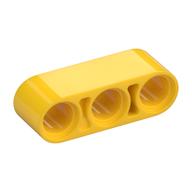 Technic Beam 1 × 3 Thick
× 34
Technic Beam 1 × 3 Thick
× 34
-
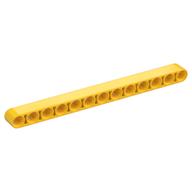 Technic Beam 1 × 13 Thick
× 20
Technic Beam 1 × 13 Thick
× 20
-
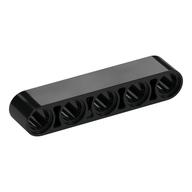 Technic Beam 1 × 5 Thick
× 18
Technic Beam 1 × 5 Thick
× 18
-
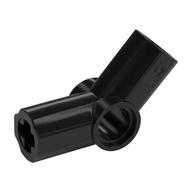 Technic Axle and Pin Connector Angled #4 - 135°
× 16
Technic Axle and Pin Connector Angled #4 - 135°
× 16
-
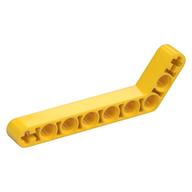 Technic Beam 1 × 9 Bent (7 - 3) Thick
× 12
Technic Beam 1 × 9 Bent (7 - 3) Thick
× 12
-
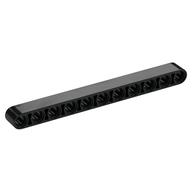 Technic Beam 1 × 11 Thick
× 9
Technic Beam 1 × 11 Thick
× 9
-
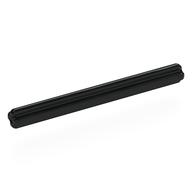 Technic Axle 6
× 8
Technic Axle 6
× 8
-
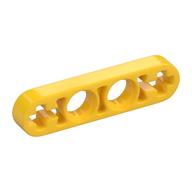 Technic Beam 1 × 4 Thin
× 8
Technic Beam 1 × 4 Thin
× 8
-
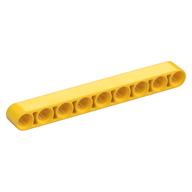 Technic Beam 1 × 9 Thick
× 8
Technic Beam 1 × 9 Thick
× 8
-
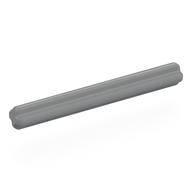 Technic Axle 5
× 6
Technic Axle 5
× 6
-
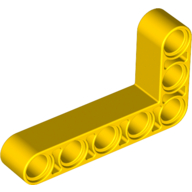 Technic Beam 3 × 5 L-Shape Thick
× 6
Technic Beam 3 × 5 L-Shape Thick
× 6
-
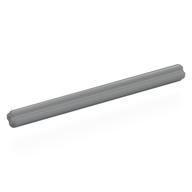 Technic Axle 7
× 6
Technic Axle 7
× 6
-
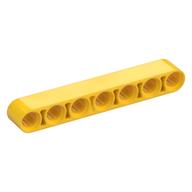 Technic Beam 1 × 7 Thick
× 5
Technic Beam 1 × 7 Thick
× 5
-
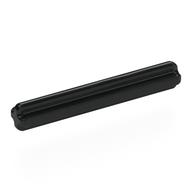 Technic Axle 4
× 4
Technic Axle 4
× 4
-
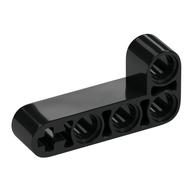 Technic Beam 2 × 4 L-Shape Thick
× 4
Technic Beam 2 × 4 L-Shape Thick
× 4
-
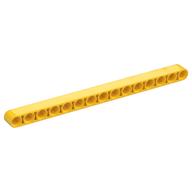 Technic Beam 1 × 15 Thick
× 4
Technic Beam 1 × 15 Thick
× 4
-
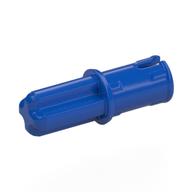 Technic Axle Pin with Friction Ridges Lengthwise
× 4
Technic Axle Pin with Friction Ridges Lengthwise
× 4
-
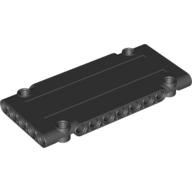 Technic Panel 5 × 11 × 1
× 3
Technic Panel 5 × 11 × 1
× 3
-
![Technic Pin Long with Friction Ridges Lengthwise and Stop Bush [3 Lateral Holes, Big Pin Hole] Black](/media/parts/32054/0/technic-pin-long-with-friction-ridges-lengthwise-and-stop-bush-3-lateral-holes-big-pin-hole-black.jpg) Technic Pin Long with Friction Ridges Lengthwise and Stop Bush [3 Lateral Holes, Big Pin Hole]
No longer produced · last seen 2021
× 2
Technic Pin Long with Friction Ridges Lengthwise and Stop Bush [3 Lateral Holes, Big Pin Hole]
No longer produced · last seen 2021
× 2
-
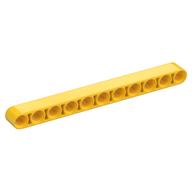 Technic Beam 1 × 11 Thick
× 2
Technic Beam 1 × 11 Thick
× 2
-
![Sticker Sheet for Set 2000421-1, 2000422-1, 2000423-1 [No Color/Any Color]](/media/parts/15607/9999/sticker-sheet-for-set-2000421-1-2000422-1-2000423-1-no-colorany-color.jpg) Sticker Sheet for Set 2000421-1, 2000422-1, 2000423-1
No longer produced · last seen 2013
× 1
Sticker Sheet for Set 2000421-1, 2000422-1, 2000423-1
No longer produced · last seen 2013
× 1
No part matches this colour selection.
Import on BrickLink: Wanted → Upload, upload the file (or paste its content), pick a Wanted List and add the parts.
Description
A trophy, not a play set
Unlike a typical retail LEGO set, 2000423 skips minifigures, vehicles and play scenes entirely, containing only the parts needed to build a large freestanding trophy. Sets like this are used within FIRST LEGO League, a global robotics programme where youth teams design and programme their own LEGO Mindstorms robots. The trophy serves as an award or display piece at tournaments and club events, making it more relevant to organisers, schools and teams than to a typical individual buyer. Because it was never sold through general retail, it turns up far less often in collections than a typical Friends or Star Wars set.
Few shapes, heavy repetition
With just 24 unique elements across 438 pieces, this set has an unusually high repetition rate. That's typical of pure structural builds such as trophies or mosaics, where a small number of basic bricks are stacked many times over to create shape and stability. The black, yellow, blue and light bluish grey colour scheme matches the FIRST LEGO League's visual branding, keeping the finished trophy clearly recognisable on stage during award ceremonies.
The parts list as a spares source
If your club or school already owns an FLL trophy and needs to replace a damaged brick, the parts list on this page covers all 24 elements used along with their colours. Because the shapes involved are simple, missing pieces are usually easy to source individually rather than requiring a full replacement set. That makes 2000423 a practical reference for anyone maintaining or rebuilding this particular trophy.
Where it fits among LEGO's special-purpose sets
Sets like this belong to LEGO's community and programme-specific releases, distributed through educational and competition channels rather than general retail. For anyone tracking the history of FIRST LEGO League, this large 2013 trophy is part of that competition tradition. The parts list on this page also shows just how compact and material-efficient a structural display piece like this can be built.
FAQ
- What is FIRST LEGO League?
- It's an international robotics competition in which youth teams build and programme their own LEGO Mindstorms robots.
- Does this set include any minifigures?
- No, 2000423 contains only the parts for the trophy itself, with no minifigures included.
- Why does the set use so few unique parts?
- The trophy is built from repeating basic shapes, so 24 unique elements are enough to account for all 438 pieces in the model.


